
12.30-13.30 (Brussels Time)
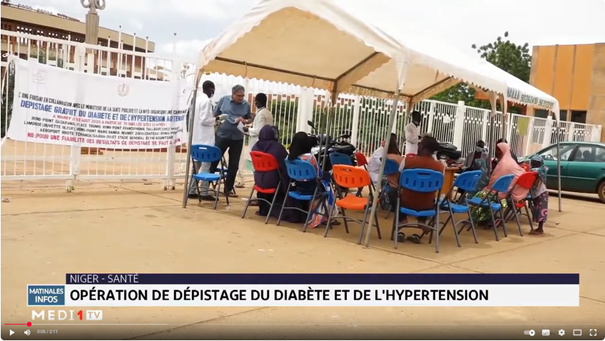
© Source : Medi1TV, https://www.youtube.com/watch?v=SOhbxROQr0I, accessed on 10/16/2025
This presentation is based on a mixed-methods study (quantitative and qualitative) conducted as part of the Stop-NCD program in Niger on non-communicable diseases (NCDs), particularly diabetes, hypertension, and associated mental health disorders. The findings show that national policies to combat NCDs face major challenges: weak effective implementation, lack of coordination, and dependence on external funding. Efforts to combat NCDs are promoted by international institutions but are not a national priority.
The health system faces major challenges in providing care for patients: a shortage of qualified staff and poorly equipped facilities, as well as the unavailability of medications and treatment protocols in many primary health centers. Poor populations are almost entirely excluded from care for these diseases due to the very high costs of treatments, tests, and travel to often distant hospitals that are the only ones able to provide the necessary services. They are therefore the main victims of complications and mortality. However, family support (essential for an appropriate diet), the commitment of some health workers to adapt protocols to real constraints, and emerging initiatives on digital platforms (WhatsApp groups) nevertheless constitute local forms of support for patients facing chronic diseases.

Dre Aïssa DIARRA, a physician (Faculty of Medicine of Bamako) and holder of a PhD in social anthropology and ethnology (EHESS, Marseille, France), is a researcher at the Laboratory for Studies and Research on Social Dynamics and Local Development in Niger (LASDEL: www.lasdel.net), where she is head of the “health” unit.
A specialist in issues related to sexual and reproductive health in Africa, she works more broadly on health policies and systems and on power relations. She coordinates several research programs, some of which are co-developed with the London School of Hygiene and Tropical Medicine, the Ghana College of Physicians and Surgeons, and the Catholic University of West Africa in Bobo-Dioulasso.
Her academic background and her numerous collaborations with health professionals have enabled her to develop expertise in public health and the socio-anthropology of health, which she applies in the fields of teaching and public policy.
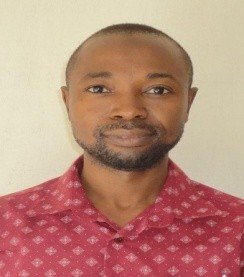
Nassirou Ibrahim, M.Sc. in Demography, DEA in Economics and PhD in Public Health, specialization: Health Systems and Policy Analysis
Researcher at the Laboratory for Studies and Research on Social Dynamics and Local Development (LASDEL), Niamey, Niger, and Co-investigator responsible for quantitative research as well as the focal point for monitoring, evaluation, and implementation of interventions within the STOP-NCD (Non-communicable diseases) program. He has developed expertise in the design of data collection tools, data collection, processing, management, and analysis of quantitative data; health systems and policy analysis; evaluation of public health programs, with a focus on non-communicable diseases, maternal and neonatal health, and adolescent health in West Africa; as well as research and program evaluation in social protection, nutrition, gender, and population.